Why it matters
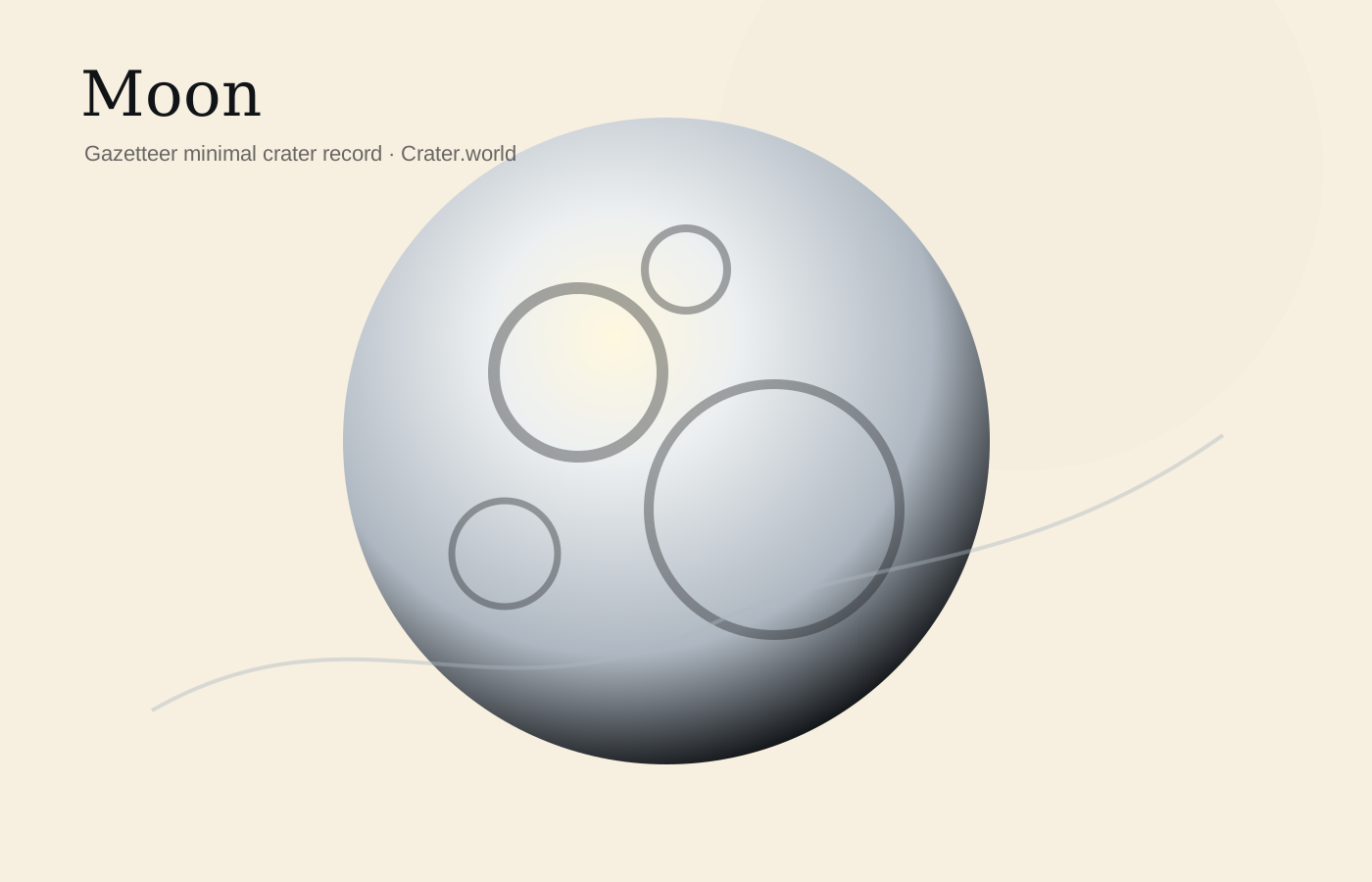
Tycho gives the Moon section an instantly recognizable visual anchor.
Measurements and uncertainty
القطر85 km
Depth4.8 km
Ageabout 108 million years
الحالةمؤكدة
Coordinates43.300° S / 11.200° W
Record levelextended
Extended record: core parameters have an editorial baseline, while age, depth, and preservation still require primary-source review.
الوصف العلمي
The crater has terraced walls, a central peak, and ejecta rays crossing much of the near side.
Data provenanceGazetteer of Planetary Nomenclature; NASA Image and Video Library
معرض إعادة البناء
قراءات بصرية أعمق للفوهة
إذا لم تكفِ الصورة الموثقة، تُستكمل البطاقة بإعادة بناء علمية: ليست خيالاً بدلاً من الحقيقة، بل فرضية بصرية منفصلة بوضوح عن المصادر.
لوحة هذا العالمlunar graphite, silver, and cold shadow

Visual reconstruction
Reverse reconstruction → Chronological inversion → Bidirectional analysis → The present as an archive of the future
تحتاج كل بطاقة إلى معاينة بصرية: صورة موجودة، مصدر معالج جمالياً، أو إعادة بناء علمية.
تاريخ البحث
Named after Tycho Brahe, it has been studied visually, photographically, and by orbital missions.
المصادر
- Last reviewed
- 2026-05-08
- Source baseline
- Gazetteer of Planetary Nomenclature; NASA Image and Video Library
- Uncertainty note
- Extended record: core parameters have an editorial baseline, while age, depth, and preservation still require primary-source review.
Education mode
حقائق
- The ray system is especially visible around full Moon.
- The central peak rises roughly two kilometers above the floor.