Why it matters
Chicxulub connects local geology with planetary consequences, giving the Earth section immediate scale.
Measurements and uncertainty
Extended record: core parameters have an editorial baseline, while age, depth, and preservation still require primary-source review.
Profil scientifique
The structure is buried under sediments but is legible through gravity anomalies, drilling, impactites, and ring geometry.
Galerie de reconstruction
Davantage de lectures visuelles du cratère
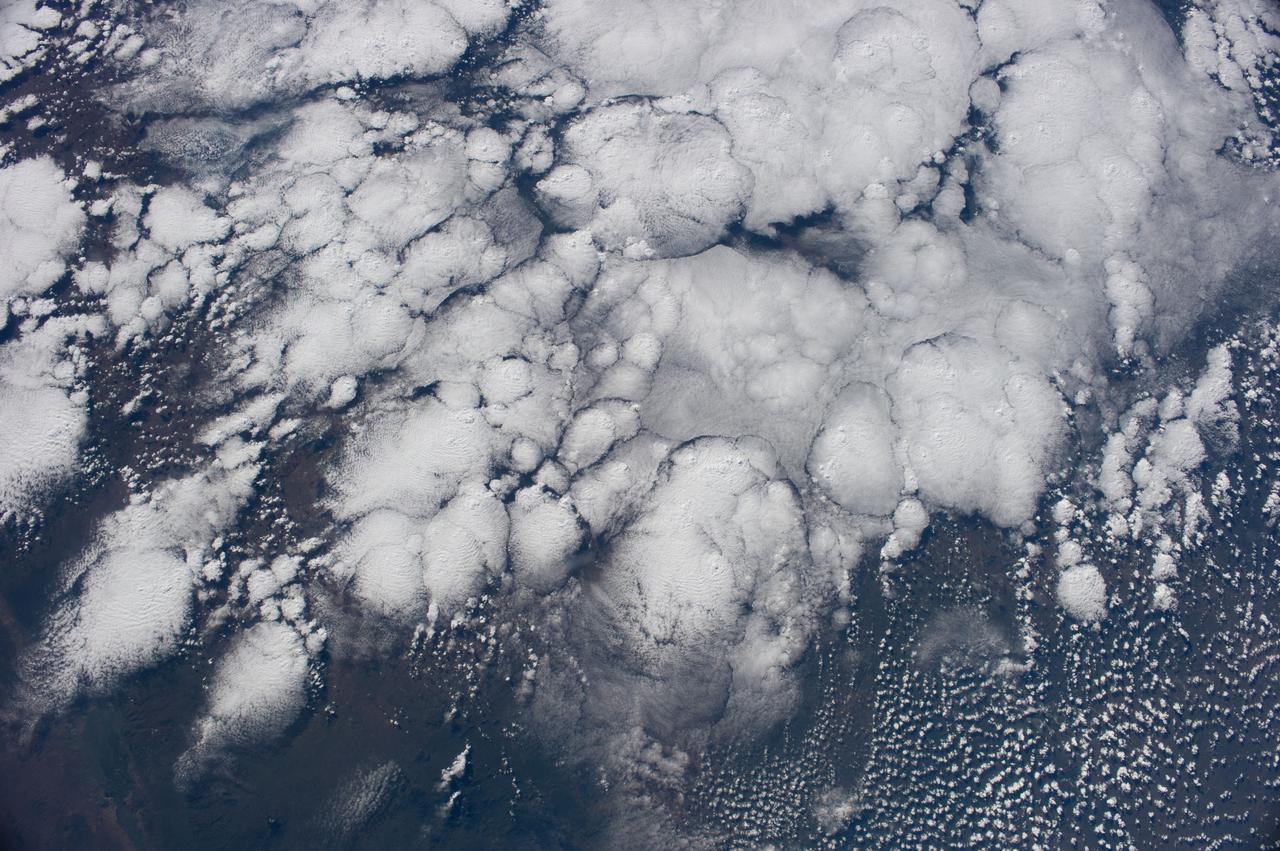
Si l'image vérifiée ne suffit pas, la fiche reçoit une reconstruction scientifique : non pas de la fantaisie à la place du fait, mais une hypothèse visuelle séparée des sources.
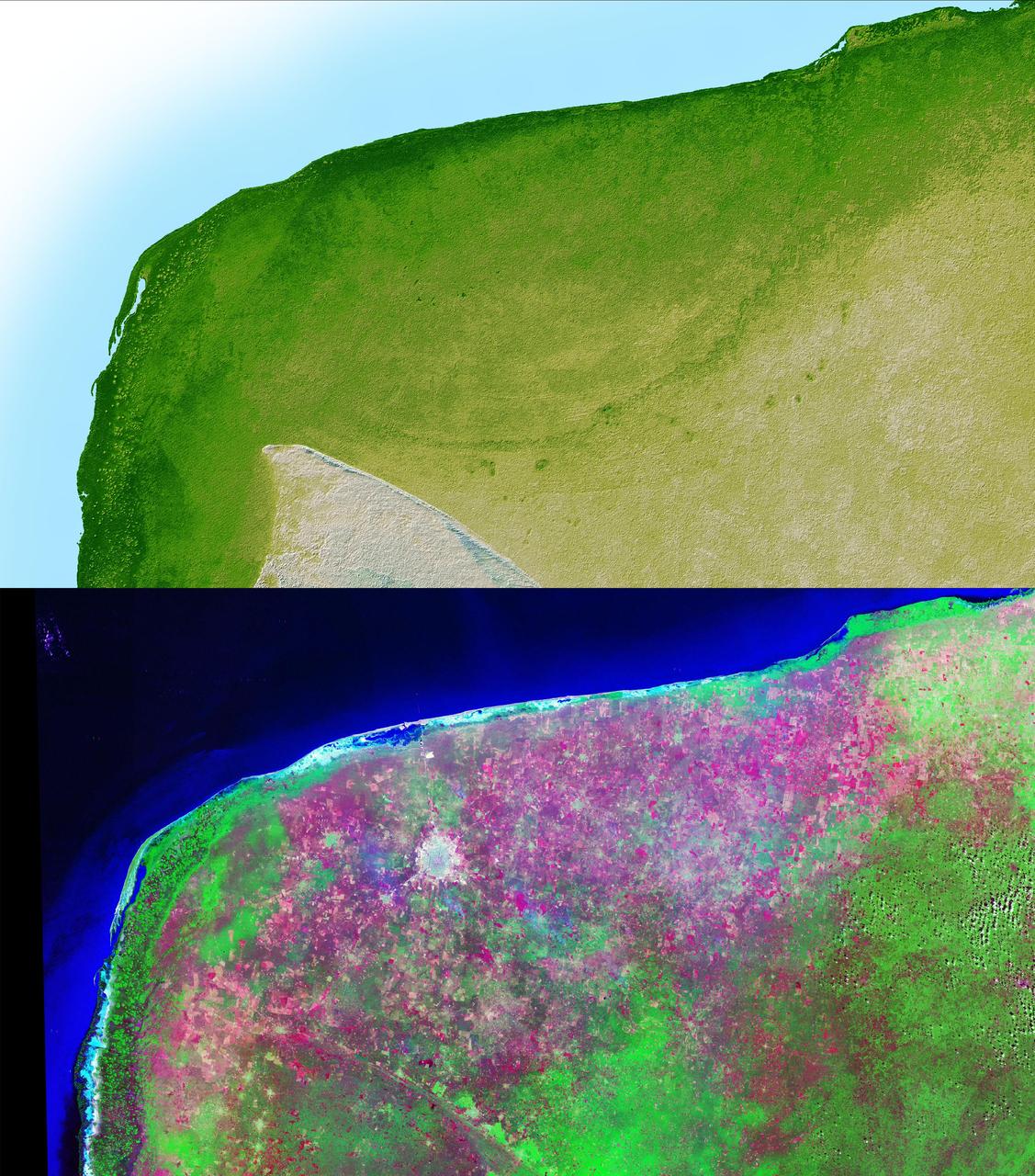
Visual reconstruction
Reverse reconstruction → Chronological inversion → Bidirectional analysis → The present as an archive of the future
Chaque fiche doit avoir un aperçu visuel : image existante, source traitée esthétiquement ou reconstruction scientifique.
Historique de recherche
Its modern interpretation emerged in the late twentieth century through geophysics, drilling evidence, and the global iridium layer.
Sources
- Last reviewed
- 2026-05-08
- Source baseline
- Earth Impact Database; NASA Image and Video Library
- Uncertainty note
- Extended record: core parameters have an editorial baseline, while age, depth, and preservation still require primary-source review.
Education mode
Faits
- The crater is mostly buried and does not read as a classic bowl-shaped form.
- It became a symbol of the link between impact geology and the biosphere.