Why it matters
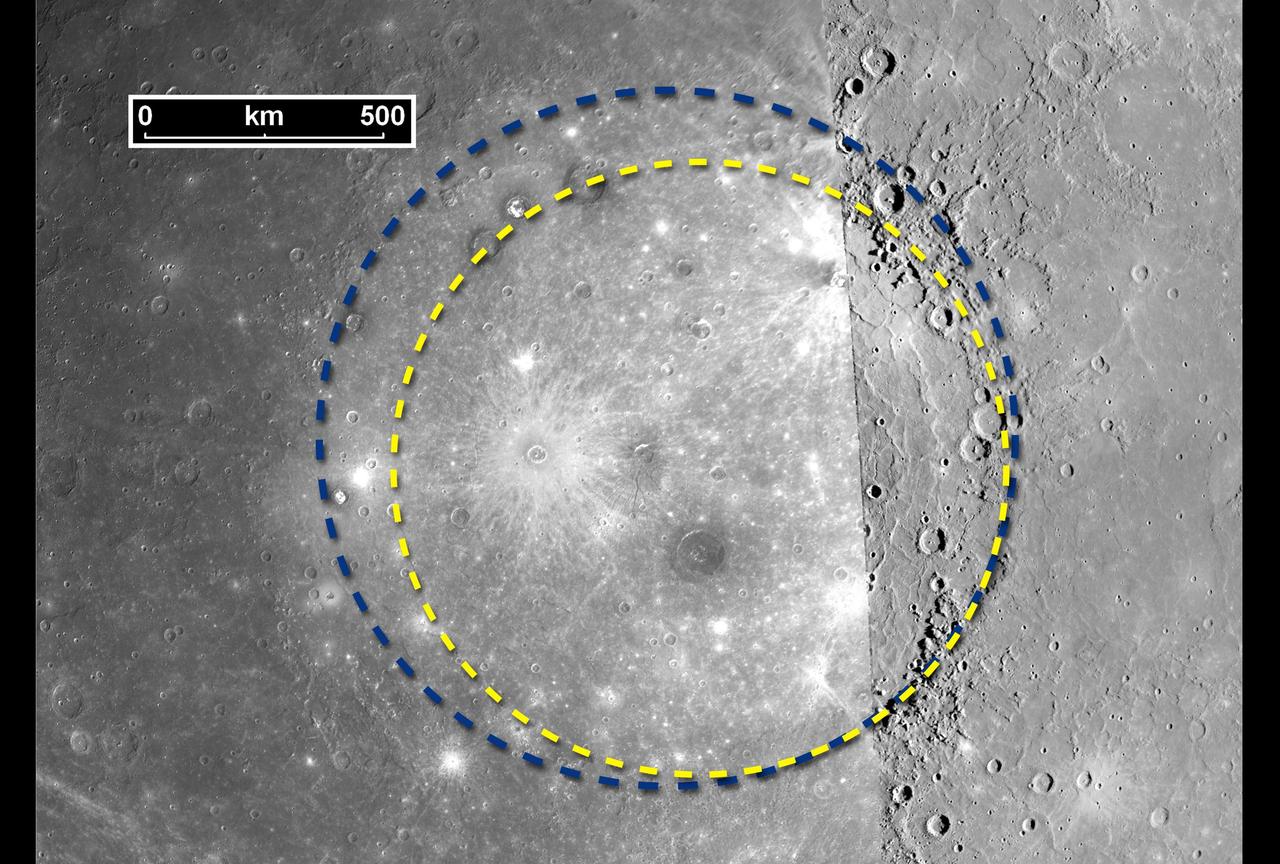
Kuiper adds a smaller-scale counterpoint to the giant Caloris basin.
Measurements and uncertainty
القطر62 km
Depthnot listed
Agerelatively young
الحالةمؤكدة
Coordinates11.000° S / 31.500° W
Record levelminimal
Seed record: coordinates and diameter support navigation, while geology, age, and visual rights need enrichment.
الوصف العلمي
Fresh ejecta and crisp morphology make the crater useful for relative surface dating.
Data provenanceMESSENGER Mission; Gazetteer of Planetary Nomenclature
معرض إعادة البناء
قراءات بصرية أعمق للفوهة
إذا لم تكفِ الصورة الموثقة، تُستكمل البطاقة بإعادة بناء علمية: ليست خيالاً بدلاً من الحقيقة، بل فرضية بصرية منفصلة بوضوح عن المصادر.
لوحة هذا العالمMercurian slate, ash, and sharp light
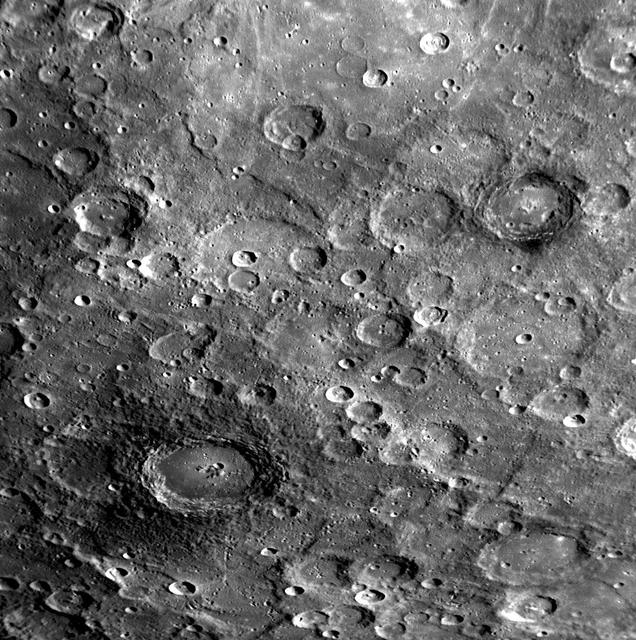
Visual reconstruction
Reverse reconstruction → Chronological inversion → Bidirectional analysis → The present as an archive of the future
تحتاج كل بطاقة إلى معاينة بصرية: صورة موجودة، مصدر معالج جمالياً، أو إعادة بناء علمية.
تاريخ البحث
The crater is known through Mercury mission data and official planetary nomenclature.
المصادر
- Last reviewed
- 2026-05-08
- Source baseline
- MESSENGER Mission; Gazetteer of Planetary Nomenclature
- Uncertainty note
- Seed record: coordinates and diameter support navigation, while geology, age, and visual rights need enrichment.
Education mode
حقائق
- Named after astronomer Gerard Kuiper.
- Young craters help establish the sequence of surface events.