Why it matters
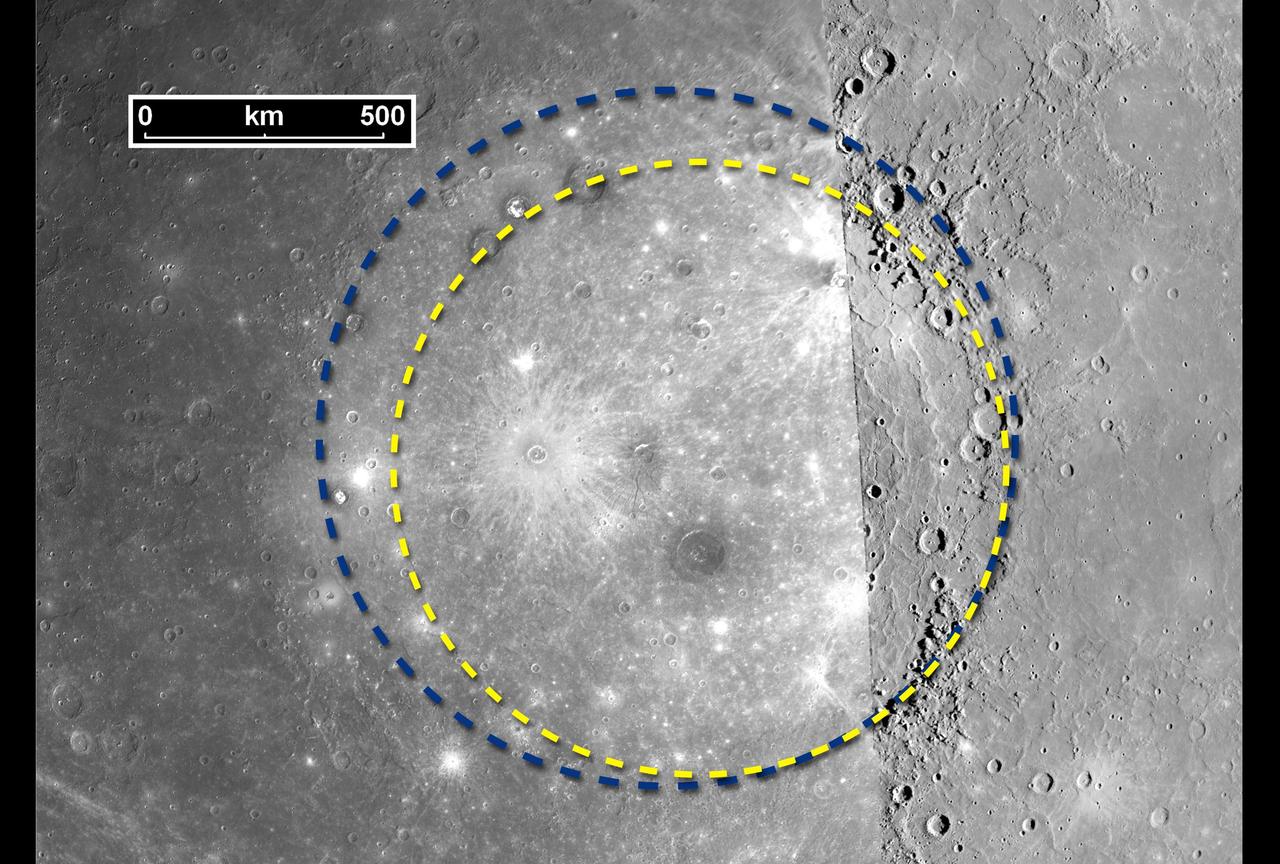
Kuiper adds a smaller-scale counterpoint to the giant Caloris basin.
Measurements and uncertainty
直径62 km
Depthnot listed
Agerelatively young
状态已确认
Coordinates11.000° S / 31.500° W
Record levelminimal
Seed record: coordinates and diameter support navigation, while geology, age, and visual rights need enrichment.
科学档案
Fresh ejecta and crisp morphology make the crater useful for relative surface dating.
Data provenanceMESSENGER Mission; Gazetteer of Planetary Nomenclature
重建图廊
更多陨石坑视觉解读
如果已验证图像不足,档案会补充科学重建:不是用幻想替代事实,而是与来源清晰区分的视觉假设。
世界调色Mercurian slate, ash, and sharp light
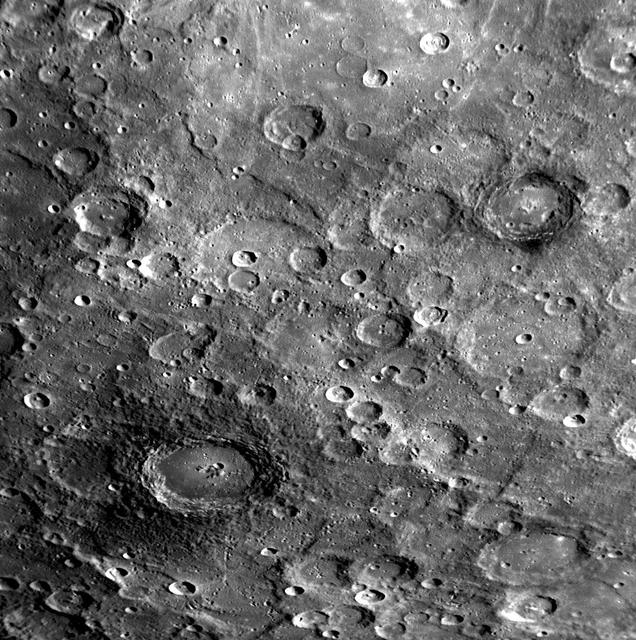
Visual reconstruction
Reverse reconstruction → Chronological inversion → Bidirectional analysis → The present as an archive of the future
每张档案都需要视觉预览:现有图像、经过美学处理的来源,或科学重建图。
研究历史
The crater is known through Mercury mission data and official planetary nomenclature.
来源
- Last reviewed
- 2026-05-08
- Source baseline
- MESSENGER Mission; Gazetteer of Planetary Nomenclature
- Uncertainty note
- Seed record: coordinates and diameter support navigation, while geology, age, and visual rights need enrichment.
Education mode
事实
- Named after astronomer Gerard Kuiper.
- Young craters help establish the sequence of surface events.