Why it matters
Vredefort shows that a crater can be less a surface shape than a deep structure revealed by time.
Measurements and uncertainty
Diameter250 km
Depthnot listed
Ageabout 2.02 billion years
StatusConfirmed
Coordinates27.000° S / 27.500° E
Record levelextended
Extended record: core parameters have an editorial baseline, while age, depth, and preservation still require primary-source review.
Scientific profile
Preserved rocks show deformation, shock evidence, and large-scale ring elements despite immense erosion.
Data provenanceEarth Impact Database
Reconstruction gallery
More visual readings of the crater
If verified imagery is not enough, the profile receives a scientific reconstruction: not fantasy in place of fact, but a visual hypothesis clearly separated from sources.
World paletteocean blue, cloud light, and living green land
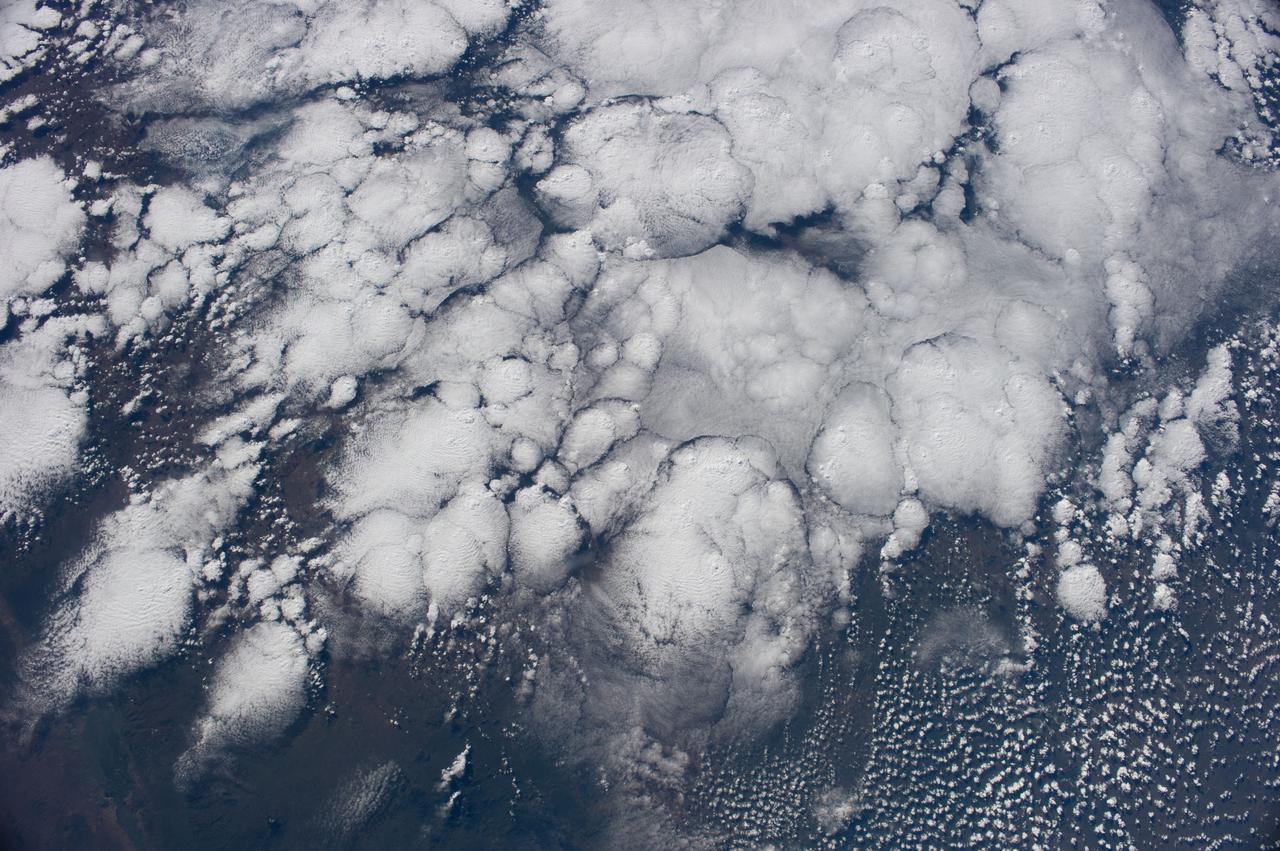
Visual reconstruction
Reverse reconstruction → Chronological inversion → Bidirectional analysis → The present as an archive of the future
Every profile needs a visualization preview: an existing image, an aesthetically treated source, or a scientific reconstruction.
Research history
Long studied as a geological anomaly, its impact origin was established through mineralogical and structural evidence.
Sources
- Last reviewed
- 2026-05-08
- Source baseline
- Earth Impact Database
- Uncertainty note
- Extended record: core parameters have an editorial baseline, while age, depth, and preservation still require primary-source review.
Education mode
Facts
- The site is part of the UNESCO World Heritage list.
- Much of the original crater form has been removed by erosion.