polar crater / ice / light
Explore
Editorial routes through craters
This section groups craters by meaning: missions, scale, surface memory, and future research.
Generated imagery
The atlas should be seen before it is read
Initial science-editorial plates that can later become mission imagery, reconstructions, or CMS-managed media.
sediment / rover / ancient water
Martian delta
atmosphere / radar / rings
Venus radar
Mercury / basin / color
Caloris
geology / hidden structures
Earth archive
Jupiter / Saturn / outer worlds
Icy moons
Editorial axis
Craters as surface memory
A feature connecting Earth, the Moon, and small bodies through one question: what remains after impact over millions of years?
Atlas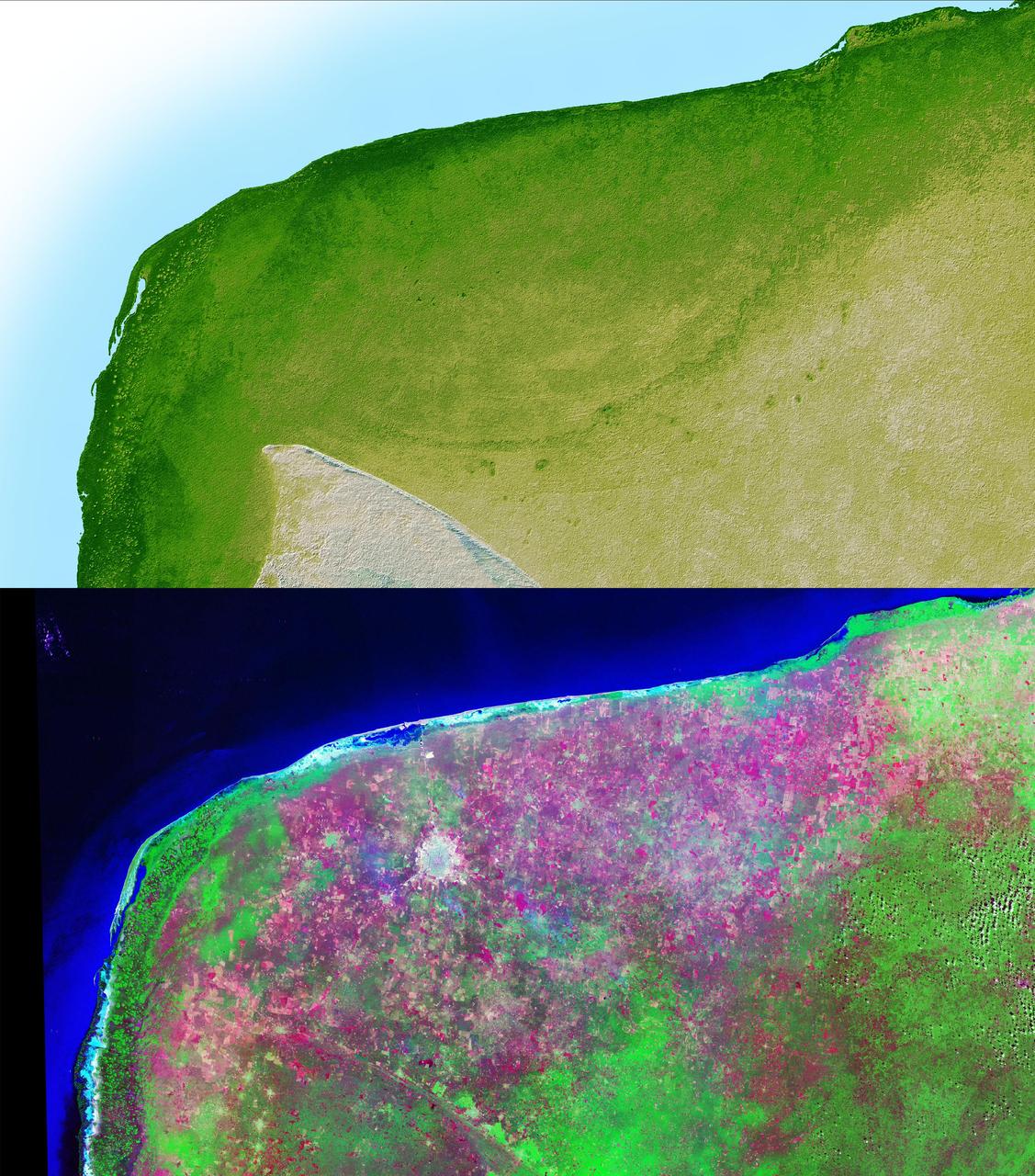 Visualization previewPalette: ocean blue, cloud light, and living green land
Chicxulub
A large buried impact structure beneath the Yucatan Peninsula, tied to one of the most famous boundaries in the history of life.
- Diameter
- 180 km
- Coordinates
- 21.400° N, 89.500° W
- Age
- about 66 million years
- Source baseline
- earth-impact-db
- Confidence
- high
MethodReverse reconstructionBidirectional analysis
Open record Visualization previewPalette: lunar graphite, silver, and cold shadow
Tycho
A young bright lunar crater with a prominent ray system, visible even in a small telescope.
- Diameter
- 85 km
- Coordinates
- 43.300° S, 11.200° W
- Age
- about 108 million years
- Source baseline
- gazetteer
- Confidence
- high
MethodReverse reconstructionBidirectional analysis
Open record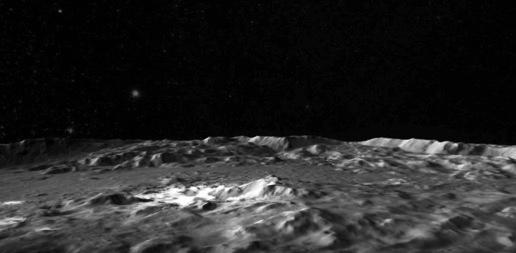 Visualization previewPalette: icy turquoise, deep space, and distant moons
Occator
A Ceres crater with bright salt deposits that became one of the symbols of the Dawn mission.
- Diameter
- 92 km
- Coordinates
- 19.800° N, 120.700° W
- Age
- young for Ceres
- Source baseline
- nasa-images
- Confidence
- high
MethodReverse reconstructionBidirectional analysis
Open recordMission landscapes
Craters that became mission sites
From Gale to Jezero, craters become landing sites, laboratories, and future sample stories.
Atlas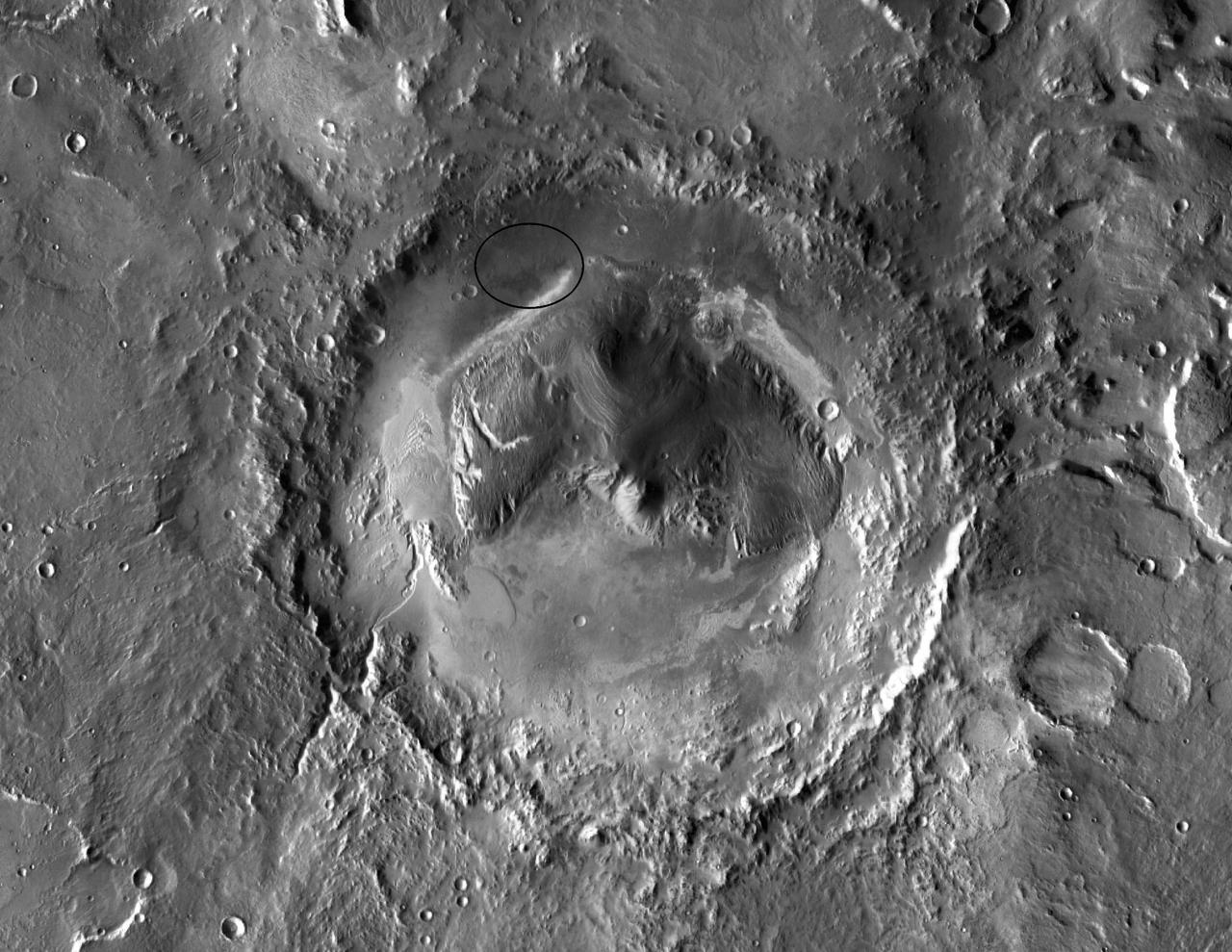 Visualization previewPalette: Martian rust, dust, and ochre
Gale
A Martian crater with Mount Sharp at its center, transformed into a laboratory by the Curiosity mission.
- Diameter
- 154 km
- Coordinates
- 5.400° S, 137.800° E
- Age
- more than 3.5 billion years
- Source baseline
- nasa-images
- Confidence
- high
MethodReverse reconstructionBidirectional analysis
Open record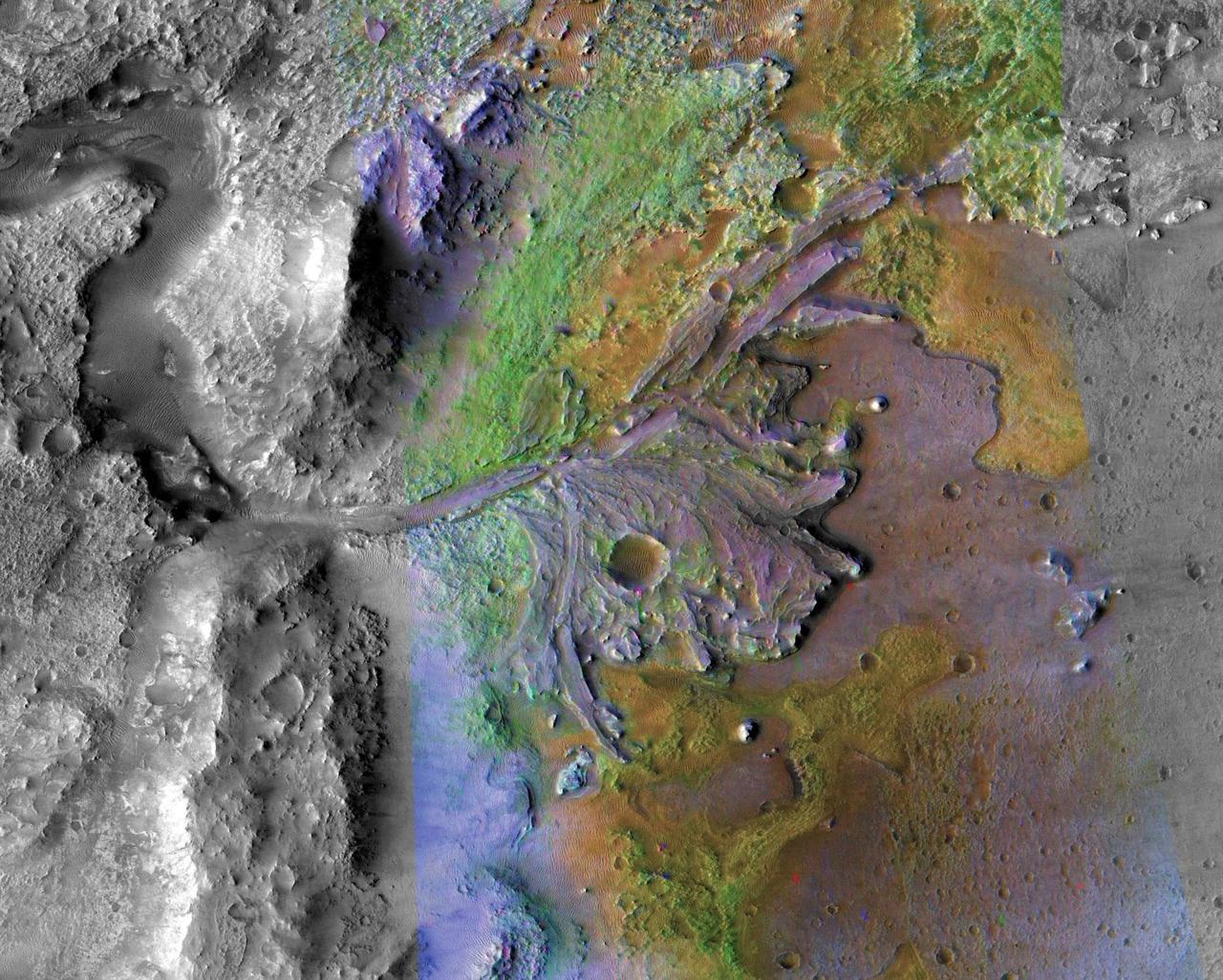 Visualization previewPalette: Martian rust, dust, and ochre
Jezero
A crater with an ancient delta, selected as Perseverance's landing site to search for habitable-environment clues.
- Diameter
- 49 km
- Coordinates
- 18.400° N, 77.600° E
- Age
- ancient Noachian
- Source baseline
- mars2020
- Confidence
- high
MethodReverse reconstructionBidirectional analysis
Open record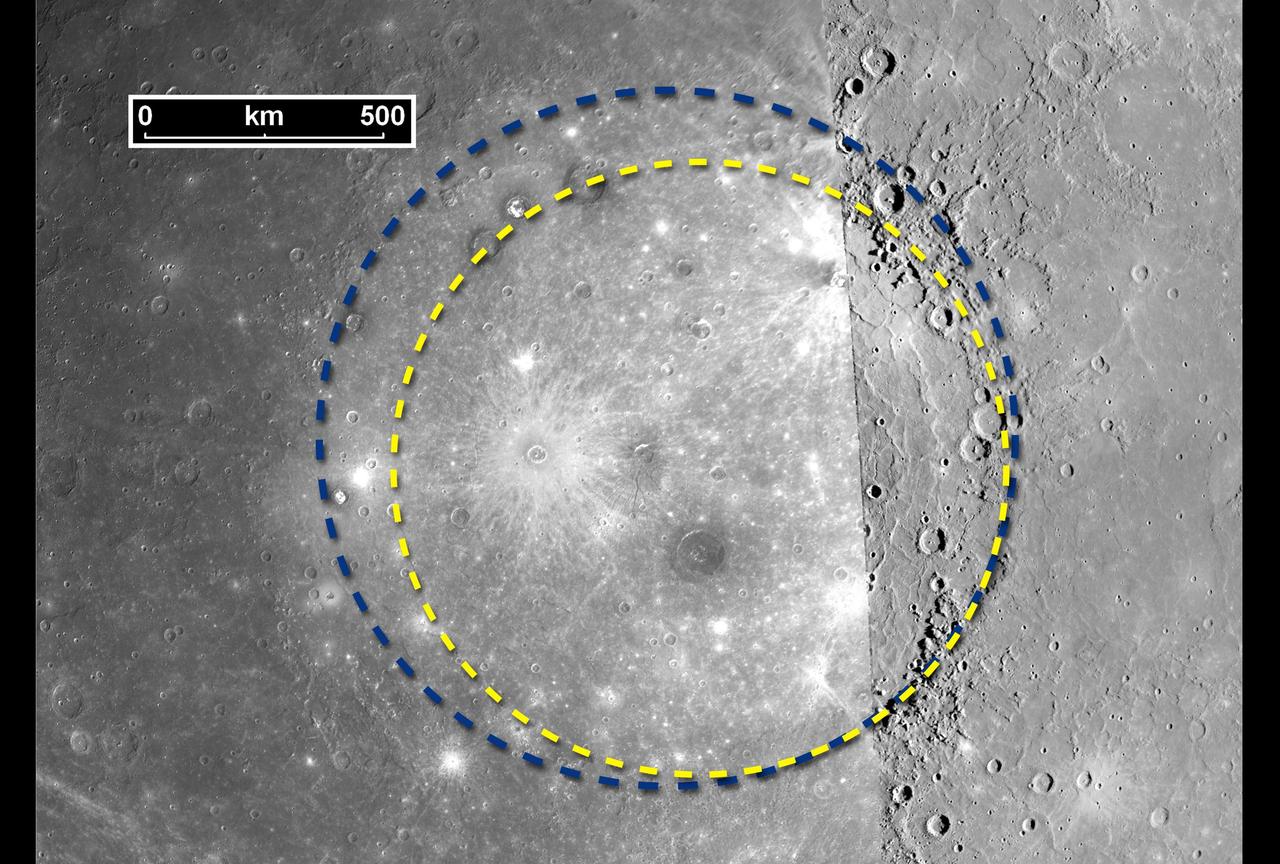 Visualization previewPalette: Mercurian slate, ash, and sharp light
Caloris
One of the largest impact basins in the inner Solar System, defining Mercury's appearance.
- Diameter
- 1,550 km
- Coordinates
- 30.500° N, 170.200° W
- Age
- about 3.8 billion years
- Source baseline
- messenger
- Confidence
- high
MethodReverse reconstructionBidirectional analysis
Open record